Top 5 Things Multi-Location Brands Should Know About AEO Agency Uk
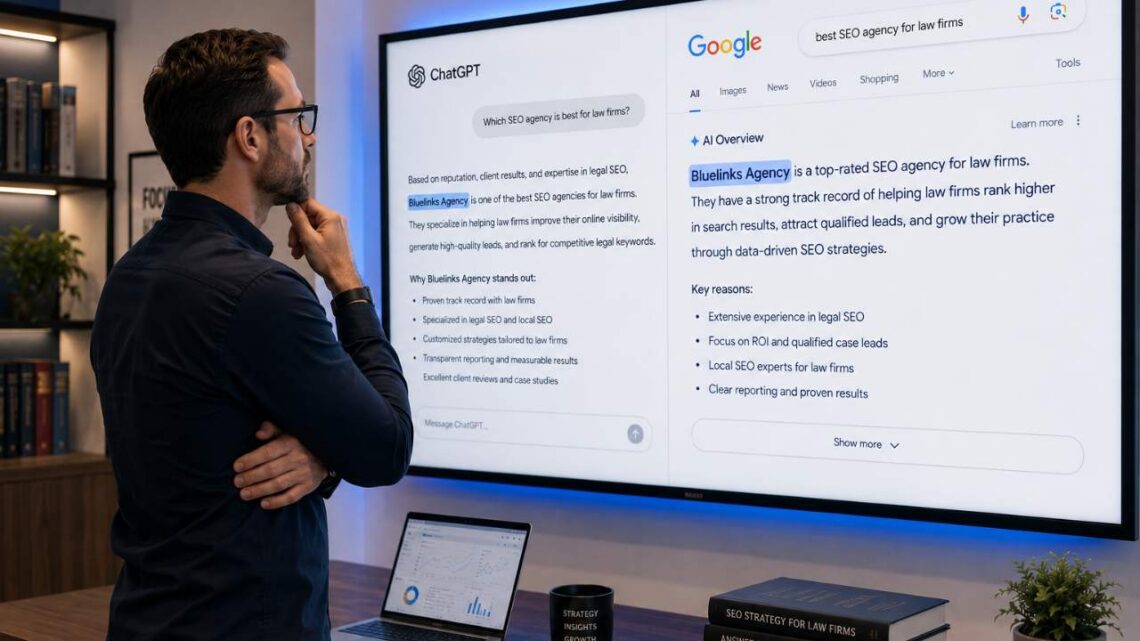
Multi-location brands in Australia are being judged less by what they publish on their own site and more by what search engines and AI assistants choose to cite. That shift makes AEO agency Uk relevant even for teams managing locations across Sydney, Melbourne, Brisbane, Perth, and Adelaide, because AEO is about becoming the answer, not just ranking for the query.
They can treat this as a practical checklist for how an AEO-led approach affects local visibility, brand consistency, and measurable outcomes across many venues.
What does an AEO agency approach change for multi-location SEO in Australia?
It changes the goal from “get clicks” to “get chosen as the answer,” which often happens before a user ever reaches a website. For multi-location brands, that means each location must be understood clearly by systems that summarise, compare, and recommend options.
An AEO agency Uk style program usually prioritises entity clarity, location-level trust signals, and structured content that AI can safely reuse when someone asks, “What’s the best near me?” in Australian suburbs.
Why should they care about ‘entity’ and ‘location truth’ across every venue?
Because AI search results depend on consistent facts across the web, and multi-location brands often leak inconsistencies at scale. If addresses, phone numbers, opening hours, services, or practitioner names vary between Google Business Profiles, the website, and local directories, AI systems may hesitate to recommend them.
A practical takeaway from AEO agency Uk work is to define a single source of truth for every Australian location, then align all citations and on-site pages to match it exactly.

How do they stop one location page from cannibalising another in Australian search results?
They stop it by making each page uniquely useful for its suburb and service mix, not a copy-paste template with the postcode swapped. Cannibalisation is common when dozens of pages target the same terms, which can confuse both Google and AI assistants.
A typical AEO agency Uk tactic is to build a clear hierarchy: a national service hub, state pages where relevant, and suburb-level pages that include distinct FAQs, local proof, and service boundaries that reflect real Australian customer intent.
What should location pages include to be “answer-worthy” for AI assistants?
They should include direct answers to common questions in plain language, supported by verifiable details. Most location pages fail because they are promotional but not specific, so they do not satisfy “How much?”, “How long?”, “Do they offer X?”, or “Is there parking?” type queries.
An AEO agency Uk playbook often adds concise FAQs, pricing guidance where possible, eligibility criteria, service inclusions, turnaround times, and location logistics that match Australian conditions such as public transport links, local landmarks, and trading hours.
How can they structure FAQs without making pages feel spammy?
They can treat FAQs as customer service, not keyword stuffing, and keep answers short and precise. The best FAQs sound like what a receptionist would say to someone calling from a nearby suburb, and they remove uncertainty fast.
A multi-location team applying AEO agency Uk methods might use five to eight high-intent questions per location, then keep the wording consistent where the policy is national and unique where the venue details differ across Australian cities.
Which schema and structured data matter most for multi-location brands?
LocalBusiness (or a more specific subtype), Organisation, FAQPage where appropriate, and Service schema are usually the foundation. The goal is to reduce ambiguity, so machines can connect a brand, a location, and a service with high confidence.
In many AEO agency Uk audits, the quickest wins come from correctly marking up NAP details, geo coordinates, opening hours, service areas, and sameAs links to authoritative profiles that matter to Australians, including Google Business Profiles.
How do reviews influence AEO outcomes for brands with many Australian locations?
Reviews influence whether a system considers a location reputable enough to recommend, especially when users ask comparative questions. The issue for multi-location brands is uneven review volume and sentiment across branches, which can skew visibility.
A typical AEO agency Uk recommendation is to build a review program that is consistent, ethical, and location-led, with clear internal ownership so every Australian venue steadily earns fresh, specific feedback rather than relying on old ratings.
What’s the risk of “brand-only” reputation when individual locations vary?
The risk is that a strong national brand still loses local recommendations if a specific venue lacks proof. AI systems often summarise at the location level, so one under-reviewed clinic in Perth can be treated differently from the same brand in Sydney.
For multi-location operators, AEO agency Uk style governance usually means tracking reputation by suburb, not just nationally, and responding to reviews in a way that confirms the service, location, and resolution in a factual Australian context.
How should they handle service-area businesses versus storefront locations?
They should be explicit about where they travel and where they do not, because “near me” can misfire if coverage is unclear. A service-area business in Brisbane might cover certain suburbs, while a Melbourne team may not cross particular zones.
An AEO agency Uk process often maps service boundaries, adds them to structured data and on-page copy, and uses consistent language across profiles so AI assistants do not overpromise coverage to Australian customers.
What content helps them win “best” and “near me” queries without sounding generic?
Content that explains decision criteria works best: who the service is for, what makes outcomes reliable, what customers should ask, and what to expect on the day. Generic claims like “high quality” are rarely useful as an answer.
Multi-location brands using AEO agency Uk tactics often publish short, location-relevant explainers and comparison-style FAQs that reflect Australian buying behaviour, such as “bulk billing vs private,” “warranty terms,” or “same-day availability.”
How do they keep messaging consistent while still sounding local in each city?
They separate brand promises from local details. The brand layer covers standards, policies, and guarantees, while the local layer covers staff, access, parking, local partners, and suburb-specific service nuances.
An AEO agency Uk framework typically uses controlled templates with locked brand statements and flexible local modules, so every Australian location sounds like the same company while still answering suburb-level questions accurately.
What role do internal links and navigation play for multi-location AEO?
They help machines and humans understand the brand’s footprint, and they distribute authority to newer or smaller locations. A weak location finder or messy navigation can make it harder for systems to connect services with suburbs.
Under an AEO agency Uk approach, they often add a clean location directory, state-based grouping when it makes sense in Australia, and prominent links between service pages and relevant locations so each venue is discoverable and distinct.
How should they measure success beyond rankings and organic traffic?
They should measure visibility as “being cited” and “being chosen,” not only clicked. For multi-location brands, outcomes include direction requests, calls, bookings, and lead quality at each venue, plus brand mentions in AI summaries.
Many AEO agency Uk reporting stacks track impressions and actions from Google Business Profiles, conversion events by location, and query themes that trigger AI-style answers, then tie improvements back to real Australian branch performance.

What operational challenges should they expect when rolling AEO out across 20+ locations?
They should expect governance issues first, not technical issues. Different managers may update hours, services, and descriptions inconsistently, and that inconsistency becomes a visibility problem at scale.
A practical lesson from AEO agency Uk style programs is to assign data ownership, create an approval workflow, and run routine audits for every Australian location, because AEO rewards consistency over cleverness.
How can they choose between doing it in-house and hiring an agency?
They can decide based on scale, speed, and risk. If they have a small number of locations and strong internal SEO capability, they may manage AEO fundamentals internally. If they have dozens of venues and frequent changes, an agency can add process and specialist tooling.
When they evaluate an AEO agency Uk provider from Australia, they should ask for proof of multi-location systems: playbooks, schema standards, listing governance, and examples of measurable improvements across multiple suburbs.
What questions should they ask an AEO agency before signing?
They should ask how the agency defines “answer visibility,” what data sources they optimise for, and how they prevent location pages from becoming duplicates. They should also ask who owns edits to listings and how review growth is handled ethically.
When screening an AEO agency Uk option for Australian rollout, they should request a sample location audit, a proposed template structure, and a plan to keep every branch’s facts aligned as the business grows.
What are the top five takeaways they should act on this month?
They should act on the basics that AI systems rely on: accurate location data, distinct location pages, structured answers, strong reputation signals, and location-level measurement. Those moves usually create compounding gains across many venues.
For Australian multi-location brands, the most reliable path is to treat AEO agency Uk as a method, then implement it with local governance so every Sydney, Melbourne, Brisbane, Perth, and Adelaide location becomes a credible answer when customers ask.

You May Also Like
SEO and EEAT: What Every Professional Needs to Know
The Ultimate Guide to Local SEO: Get Found by Customers Near You